Nozzles are the least expensive part on your rig, yet they are the single most common reason a machine "loses pressure." Nozzle orifice size must precisely match your machine's GPM (Gallons Per Minute) and PSI (Pounds Per Square Inch).
Using an orifice that is too large bleeds off working pressure, while one that is too small overpressurizes your pump and unloader valve, causing premature wear or failure.
BCE stocks pressure washer nozzles, turbo nozzles, and spray tips in all standard sizes and spray angles, shipping same day.
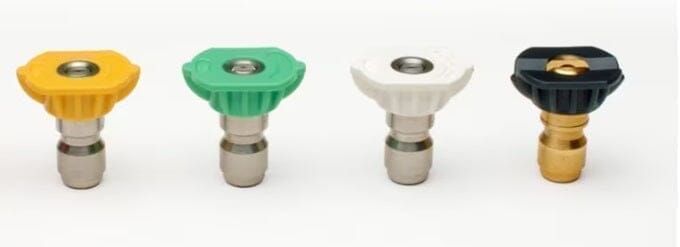
#8.0 Quick Connect 15/25/40-Degree Nozzle Set with Soap Tip
Sale price$22.95
#8.5 Quick Connect 15/25/40-Degree Nozzle Set with Soap Tip
Sale price$22.95
#9.0 Quick Connect 15/25/40-Degree Nozzle Set with Soap Tip
Sale price$22.95
#10 Quick Connect 15, 25, 40-Degree Nozzle Set with Soap Tip
Sale price$19.95
#12 Quick Connect 15/25/40-Degree Nozzle Set with Soap Tip
Sale price$22.95
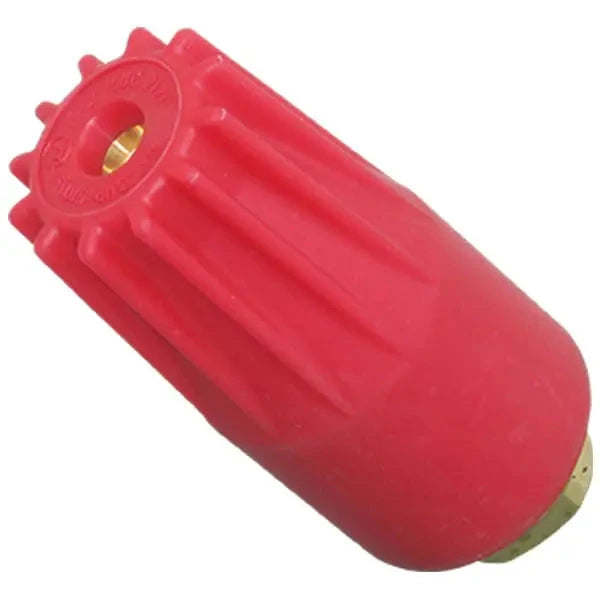
High Pressure Rotating Nozzle #4.0 - 5100 psi
Sale price$63.99
High Pressure Rotating Nozzle #6.0 - 5100 psi
Sale price$63.99
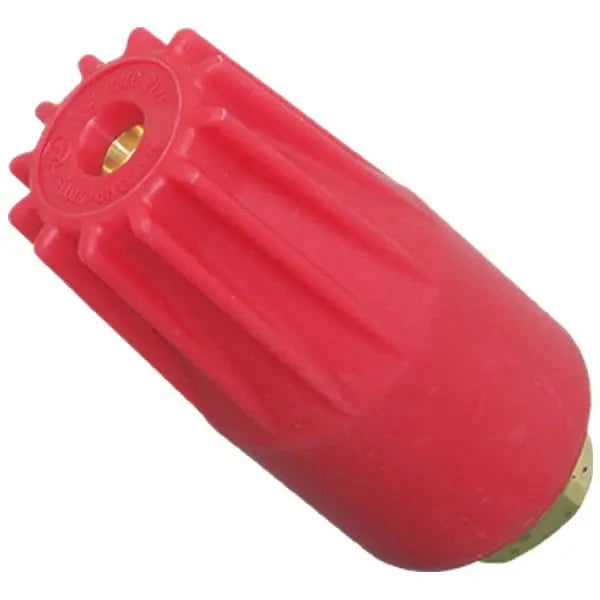
High Pressure Rotating Nozzle #8.0 - 5100 psi
Sale price$63.99

Long Range 2-5 GPM Soft Wash Nozzle - HydroJet ER 120 Small Orifice
Sale price$19.95
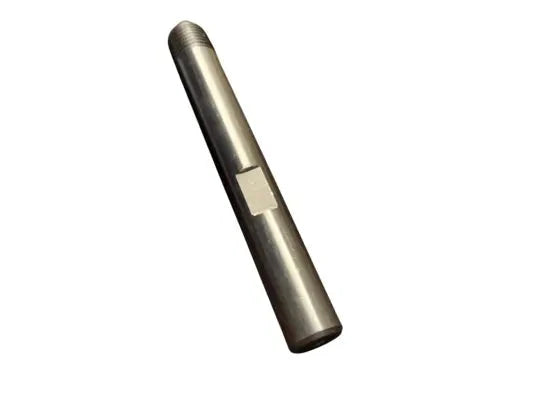
Long Range 4-8 GPM Soft Wash Nozzle - HydroJet ER 150 Medium Orifice
Sale price$19.95
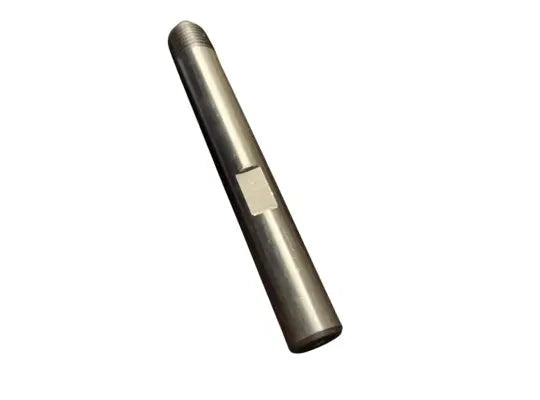
Long Range 7-12 GPM Soft Wash Nozzle - HydroJet ER 180 Large Orifice
Sale price$19.95
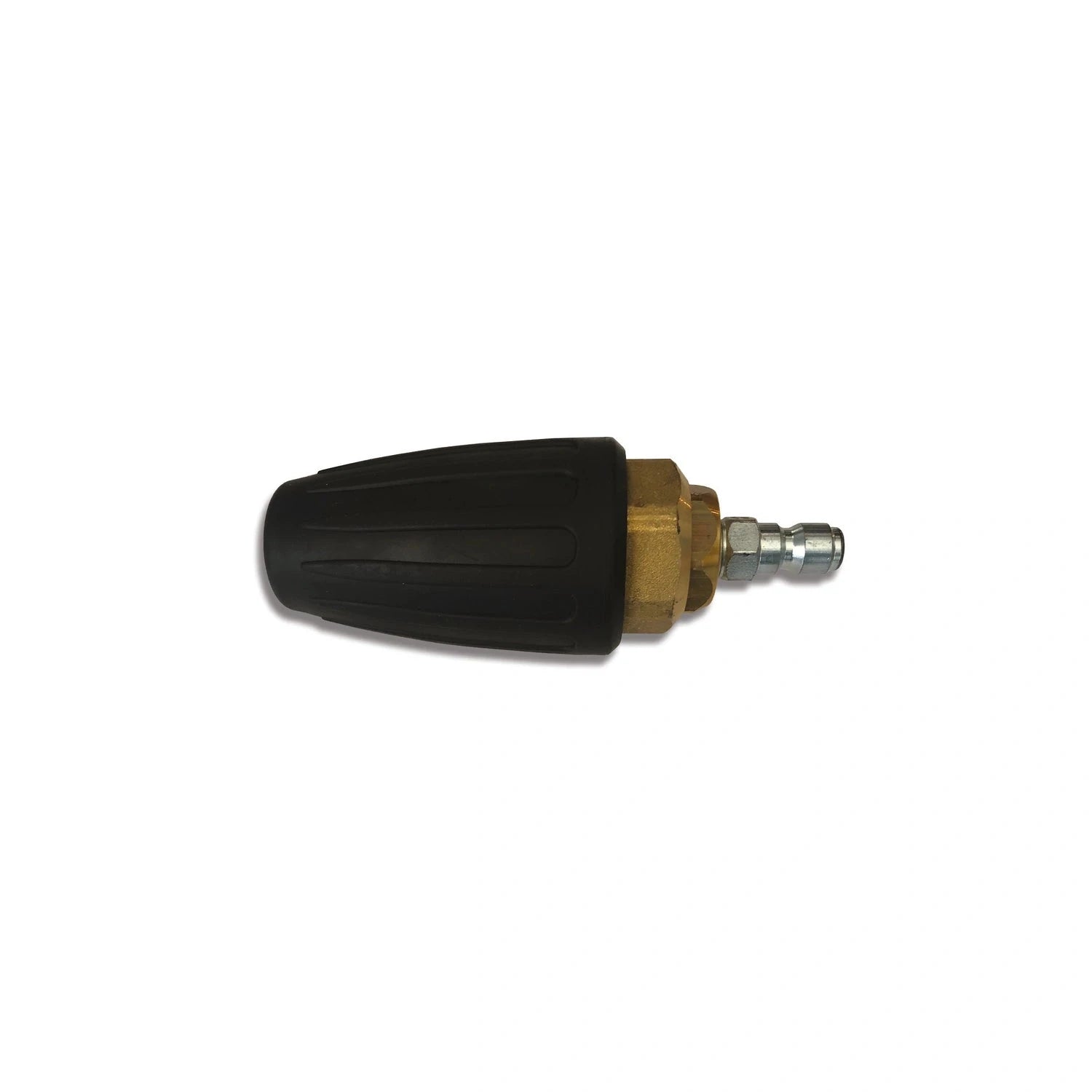
RotoJet Turbo Nozzle 5,000 PSI with QC Plug
Sale price$93.95
J-Rod
Sale price$29.95
Regular price$49.95
Trombone Valve
Sale price$39.67